

في قرية صغيرة جنوب حلب، لم تنتهِ قصة الطفل وليد وحيد الخليف (6 سنوات) عند لحظة سقوطه في البئر.
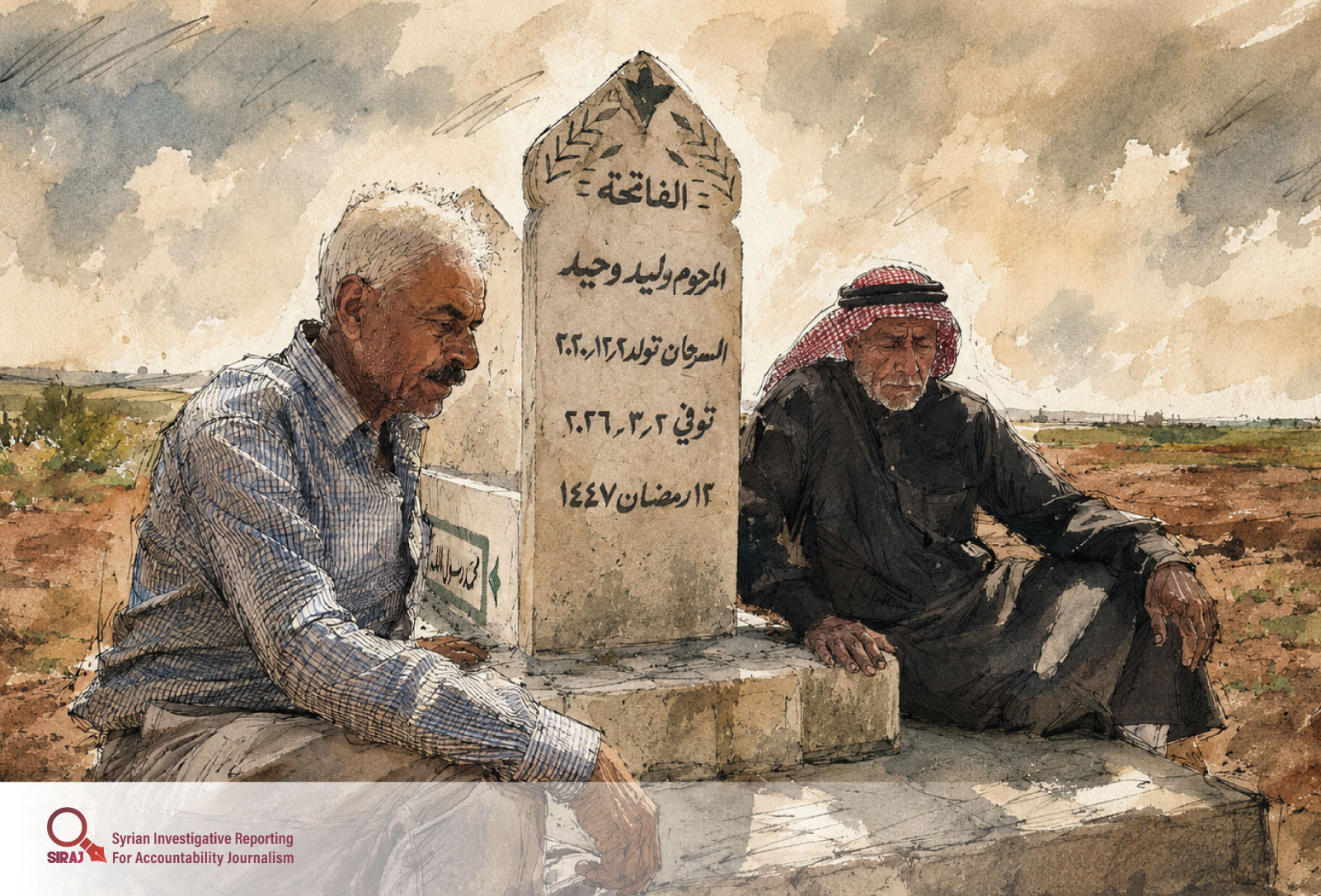
حتى اليوم، يجلس جدّه وليد السويدان السرحان فوق البئر نفسها التي ابتلعته. يمرّر الرجل يديه فوق التراب بصمت، محاولاً استيعاب كيف تحولت رحلة عودة العائلة إلى قريتها بعد سنوات من النزوح إلى مأتم مفتوح.
منذ عام 2017، عاشت عائلة السرحان سنوات من النزوح القسري بعد مغادرتها قريتها، “مزرعة السرحان” في ناحية تل الضمان جنوب حلب، لتستقر في ريف إدلب الشمالي. وبعد سقوط نظام الأسد، عادت العائلة إلى قريتها حاملةً آمالاً بطي صفحة الحرب واستعادة حياتها السابقة. شرعت في ترميم منزلها الذي أنهكته سنوات القصف والإهمال، معتقدة أن رحلة المعاناة أوشكت على نهايتها، وأن الأسوأ بات خلفها.
لكن في الثاني من آذار/مارس 2026، خرج وليد مع عمّه الذي كان يرعى أغنامه في الأراضي الزراعية المحيطة بالقرية. كان الطفل متعلقاً بعمه، يمشي خلفه بخطوات صغيرة وسط حقول لم تعرفها العائلة منذ سنوات النزوح.
يقول الجد لفريق التحقيق: “حتى نحن الكبار لم نكن نعرف أن هناك بئراً في تلك الأرض… كانت محفورة حديثاً خلال سنوات الحرب”.
في لحظة واحدة، اختفى وليد، عندما داس الطفل على غطاء معدني رقيق تعلوه حجارة صغيرة. لكن الغطاء لم يحتمل جسده الصغير. انهار تحته فجأة، ليهوي إلى داخل بئر ضيقة لا يتجاوز قطرها 40 سنتيمتراً، ويصل عمقها إلى نحو 80 متراً.
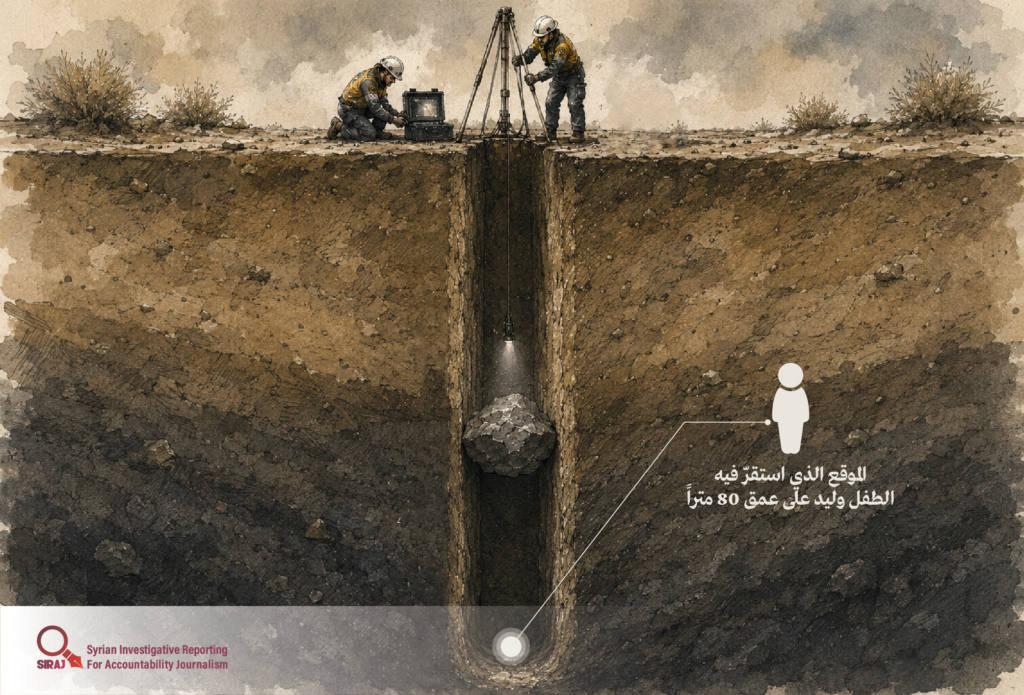
مقطع عرضي للبئر يوضح موقع الصخرة العالقة على عمق 30 متراً، ومكان استقرار الطفل وليد الخليف في قاع البئر
قال جد الطفل: “أخبرنا عمه أن الطفل راح بلمح البصر.. اختفى فجأة”.
لساعات طويلة، حاولت فرق الإنقاذ ابتكار أي طريقة ممكنة للوصول إلى الطفل. كان كل متر إضافي في العمق يعني مزيداً من خطر انهيار البئر، ومزيداً من الوقت الذي لم يكن متاحاً.
شيئاً فشيئاً، تحولت العملية من محاولة إنقاذ إلى محاولة مستحيلة رغم محاولات الحفر الجانبي بيد أن صخور عالقة على عمق يتراوح بين 20 و30 متراً، أعاقت جهود الوصول إليه.
ويصف رئيس قسم البحث والإنقاذ في الدفاع المدني السوري، إبراهيم الحسن، الحادثة بأنها واحدة من أعقد عمليات الإنقاذ التي تعاملت معها الفرق مؤخراً. ويقول: “إن صخرة سقطت داخل البئر بعد سقوط الطفل واستقرت على عمق يقارب 30 متراً، ما أعاق محاولات الوصول إليه رغم استخدام الكاميرات وتقنيات البحث المختلفة”.
اليوم، لا يطالب الجد بالكثير. فقط ألا تتكرر المأساة مع طفل آخر.
يقول وهو ينظر إلى قبر حفيده: “البئر المفتوحة فخ موت للأطفال”.
هناك، تحت عشرات الأمتار من التراب والصخور، ما يزال الطفل يرقد في المكان الذي سقط فيه قبل أشهر، بعدما تحولت البئر إلى قبره الأخير.
ويضيف أن أصحاب البئر عرضوا على العائلة “دية” بعد وفاة وليد، لكنهم رفضوا.
“طلبنا الوحيد كان يتركوا طريقاً لقبر وليد… حتى نقدر نزوره ونبكي عليه كل ما اشتقنا له”.
الجباب المفتوحة خلال الحرب
لكن مأساة وليد لم تكن حادثة معزولة خلال تتبع فريق “سراج” لحوادث السقوط في الآبار شمال سوريا، لمعرفة حجم خطر ظاهرة صامتة تهدد حيوات الأطفال خاصة في المناطق الزراعية، تبيّن أن ما حدث في “مزرعة السرحان” يتكرر في مناطق أخرى من البلاد.
اعتمد الصحفيون على عمل ميداني في محافظات حلب وإدلب وحماة، شمل زيارات لمواقع حوادث سقوط أطفال داخل آبار، ومقابلات مع عائلات ضحايا وناجين وعناصر في الدفاع المدني السوري، إضافة إلى مراجعة وثائق قانونية ومواد مصورة ومقاطع فيديو لعمليات الإنقاذ والتحقق منها ميدانياً ورقمياً.
كما حصل الفريق على إحصاءات وبيانات رسمية حول حوادث السقوط خلال الأعوام الثلاثة الماضية، ووثّق شهادات 56 مزارعاً حول نهب الآبار والجباب وتركها مفتوحة بعد سنوات الحرب.
وفي اللغة العربية البئر والجُب جمعها (جباب) متقاربان في المعنى لكن يختلفان في الاستعمال، البئر: اسم عام لكل حفرة تُحفر في الأرض لاستخراج الماء، وخاصة المياه الجوفية، أمّا الجُبّ: فهو نوع من الآبار، ويُطلق غالبًا على البئر العميقة والمظلمة والتي تكون مهجورة وخالية من التجهيزات، وقد يُقصد بها البئر التي يُلقى فيها شيء أو يُخفى فيها شخص.
حيث تحولت مئات الآبار والجباب المفتوحة والمعطلة والمهجورة في شمال سوريا إلى خطر متصاعد يهدّد الأطفال، وساهمت سنوات الحرب والنزوح ونهب البنى التحتية في ترك آبار كثيرة دون ردم أو تأمين وسط ضعف إمكانيات فرق الإنقاذ والدفاع المدني.
إن الإمكانات المتاحة حالياً لا تزال غير كافية للتعامل مع هذا النوع من الحوادث المعقدة، يقول أحد أقارب الأطفال الذين سقطوا في بئر في قرية تل أعور جنوب محافظة إدلب, ويضيف: “المعدات المتوافرة لدى الدفاع المدني غير كافية لعمليات البحث والإنقاذ، فنحن بحاجة إلى كاميرات متطورة تصل لأعماق كبيرة، ووسائل تزويد بالأوكسجين حتى أعماق تصل إلى مئة متر، إضافة إلى نقص في الحبال، وهي الأداة الأساسية المستخدمة في الإنقاذ”.
في صباح، الثاني من آذار/مارس 2026، وبينما كانت عائلة الطفل في مزرعة السرحان تنتظر معجزة لن تأتي لاخراج وليد من غيابة الجبّ، كانت مأساة مشابهة تتشكل على بعد أكثر من مئة كيلومتر في ريف حماة وسط البلاد.
سقوط خاطف
في قرية حلبان بريف حماة الشرقي، لم تكد عائلة الطفلة دمعة مقداد البروش تستعيد شعور الأمان بعد عودتها من نزوح استمر أكثر من سنتين ونصف السنة إلى قريتها في منطقة السلمية، حتى تحولت العودة نفسها إلى بداية مأساة جديدة.
بعد أسبوع واحد فقط من العودة إلى القرية، كانت دمعة، التي لم تكمل عامها الثاني، تلعب قرب المنزل بينما كان والداها منشغلين ببعض الأعمال على سطحه. وفي لحظة خاطفة، التقطت أعينهما آخر مشهد لطفلتهما قبل أن تختفي داخل بئر تقع على مقربة من المنزل.
في الثاني من آذار/ مارس الماضي، وهو اليوم نفسه الذي سقط فيه وليد في الجب، فارقت الطفلة دمعة الحياة بعد سقوطها في بئر يبلغ عمقه نحو 110 أمتار، بينها أكثر من 70 متراً مغمورة بالمياه، بحسب والدها مقداد البروش.
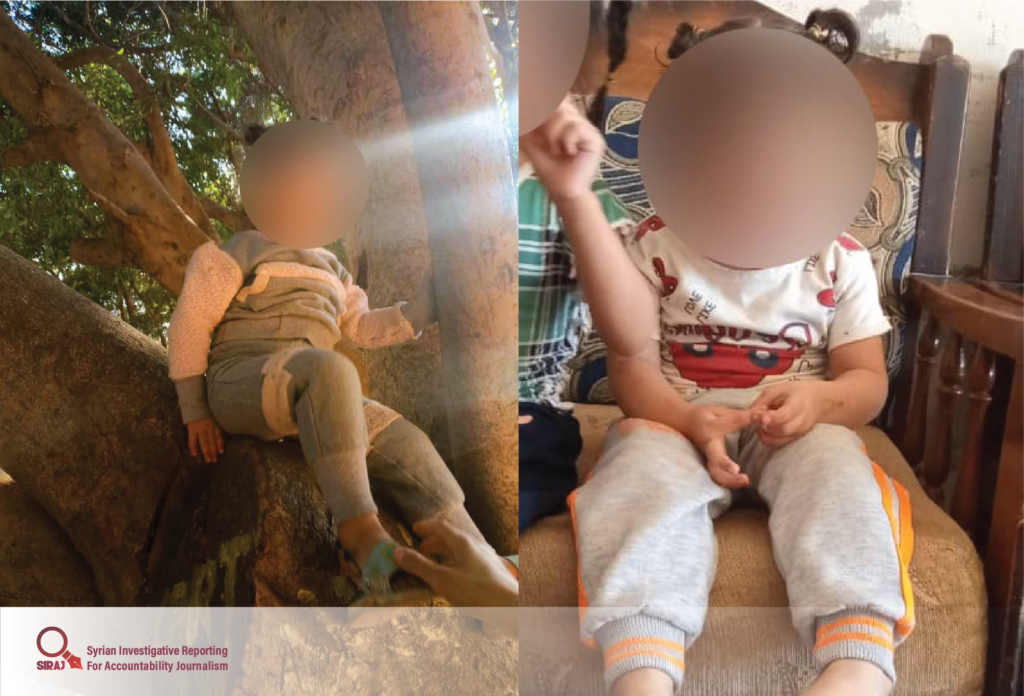
صورتان للطفلة دمعة مقداد البروش من قرية حلبان بريف حماة شاركتهما عائلتها مع فريق التحقيق- سراج
يروي البروش لفريق التحقيق تفاصيل اللحظات الأولى بعد الحادثة قائلاً: “كنت ووالدتها على سطح المنزل، وفجأة شاهدنا دمعة تسقط. لم نستوعب ما حدث. ألقينا بأنفسنا من فوق السطح محاولين الوصول إليها، لكن كل شيء حدث خلال ثوانٍ”.
وصلت فرق الإنقاذ بعد نحو عشرين دقيقة من وقوع حادثة سقوط دمعة في البئر، وبدأت عملية بحث وانتشال معقدة داخل البئر العميقة.
وبحسب والد الطفلة، استخدمت فرق الدفاع المدني مختلف الوسائل المتاحة، من الحبال والكابلات وتقنيات الإنقاذ الرأسي، في محاولة للوصول إلى دمعة وإنقاذها، إلا أن عمق البئر ووجود المياه جعلا المهمة بالغة الصعوبة.
استمرت العملية نحو ست ساعات كاملة، قبل أن تتمكن الفرق من انتشال الطفلة، لكنها كانت قد فارقت الحياة.
لم تترك الحادثة أثراً في العائلة وحدها، بل هزّت القرية بأكملها. فبعد وفاة دمعة، بدأ الأهالي بإغلاق الآبار المفتوحة وإحكام تغطيتها خوفاً من تكرار المأساة.
ويختتم والد دمعة حديثه: “أي بئر مفتوحة هي خطر حقيقي على الأطفال. لا أحد يتخيل أن لحظة واحدة قد تكفي ليخسر طفله إلى الأبد”.
من حوادث فردية إلى ظاهرة
منذ سقوط نظام الأسد المخلوع في الثامن من كانون الأول/ديسمبر 2024، شهدت مناطق متفرقة في محافظات حلب وإدلب وحماة سلسلة حوادث مشابهة دفعت فرق الدفاع المدني السوري إلى تنفيذ عمليات إنقاذ معقدة استمرت أحياناً لساعات طويلة.
ولا تقتصر مخاطر الآبار غير المؤمنة على الأطفال وحدهم. فبعد أسابيع من حادثة وليد، تعاملت فرق الدفاع المدني مع حادثة مشابهة في قرية تل حلاوة جنوب شرق إدلب، حيث سقط الشاب أحمد حسن المطير (18 عاماً) داخل بئر يبلغ عمقها نحو 100 متر وقطرها ضيق.
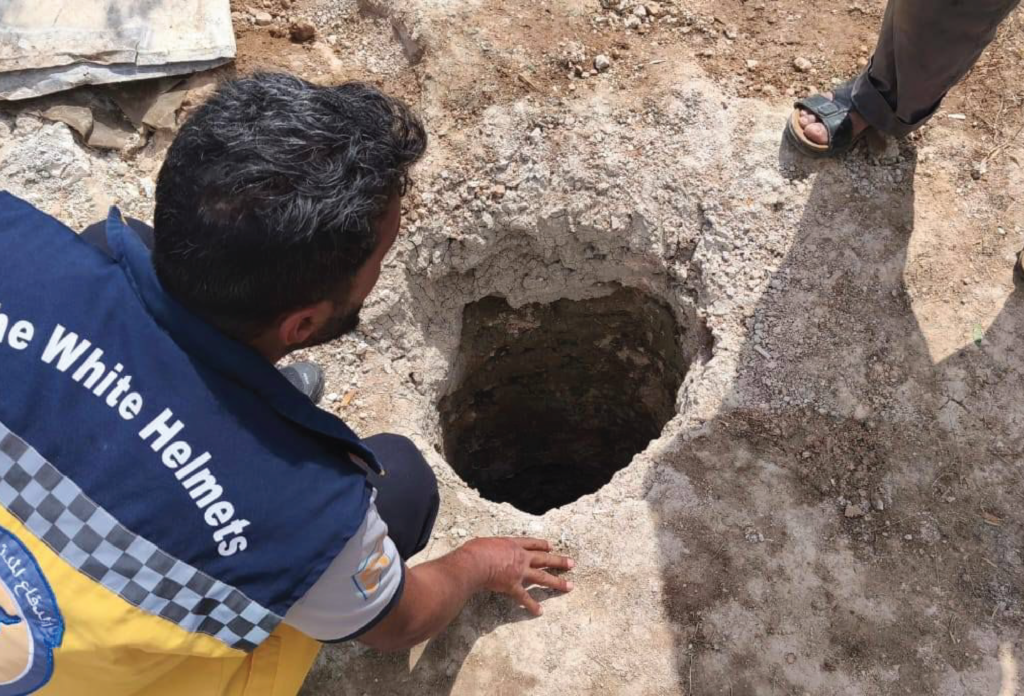
فوهة البئر التي سقط فيها الشاب في قرية تل حلاوة بريف إدلب، حيث نفذت فرق الدفاع المدني السوري عملية إنقاذ معقدة بسبب عمق البئر وضيق قطرها. المصدر: الدفاع المدني السوري
وبحسب الدفاع المدني، بقي الشاب مفقوداً لأكثر من 24 ساعة قبل أن يعثر ذووه على مكان سقوطه ويبلغوا فرق الإنقاذ. وعندما تمكنت الفرق من إدخال كاميرا إلى البئر، لم تظهر أي مؤشرات على وجود علامات حيوية. واستمرت عمليات الإنقاذ نحو 18 ساعة متواصلة، قبل أن تتمكن الفرق، بمساعدة الأهالي، من انتشال جثمانه من عمق يقارب 56 متراً.
وتكشف هذه الحوادث أن السقوط في الآبار والجباب لم يعد مجرد حوادث متفرقة، بل بات يمثل خطراً متكرراً في عدد من المناطق السورية، خصوصاً في البيئات الزراعية التي تنتشر فيها الآبار المكشوفة أو غير المؤمنة.
حصل فريق التحقيق على إحصائية حصرية من وزارة الطوارئ وإدارة الكوارث، التي جمعت وراجعت بيانات سابقة كانت بحوزة مؤسسات وهيئات محلية عملت في مناطق شمال سوريا قبل تأسيس الوزارة. وتشمل هذه السجلات حوادث سقوط الأطفال في الآبار خلال الأعوام الثلاثة الماضية في المحافظات التي كانت خاضعة لإدارة المعارضة قبل سقوط نظام الأسد البائد.
وتُظهر البيانات أن محافظات حلب وإدلب وحماة سجلت النسبة الأعلى من حالات الاستجابة المرتبطة بهذه الحوادث، ما يعكس اتساع الظاهرة في عدد من المناطق، خصوصاً تلك التي تنتشر فيها الآبار المكشوفة أو غير المؤمنة بشكل كافٍ.
ويشرح المنقذ إبراهيم الحسن، الذي أشرف على عدد من عمليات البحث والإنقاذ، أن تكرار هذه الحوادث يرتبط بشكل مباشر بغياب إجراءات السلامة حول الآبار المفتوحة والحفر العميقة. ويشير إلى أن كثيراً من مواقع الحفر تُترك من دون أغطية أو إشارات تحذيرية أو وسائل حماية تمنع اقتراب الأطفال منها، ما يحولها إلى مصدر خطر دائم.
ويضيف، “أن الحد من هذه الحوادث لا يتطلب دائماً تجهيزات معقدة أو كلفة مرتفعة، إذ يمكن تجنب كثير من المآسي عبر إجراءات بسيطة، مثل وضع إشارات تحذيرية أثناء حفر الآبار وبعد إنجازها، وإغلاق فتحاتها بأغطية معدنية أو صبات خرسانية، أو حتى وضع حواجز وأحجار كبيرة تمنع السقوط داخلها”
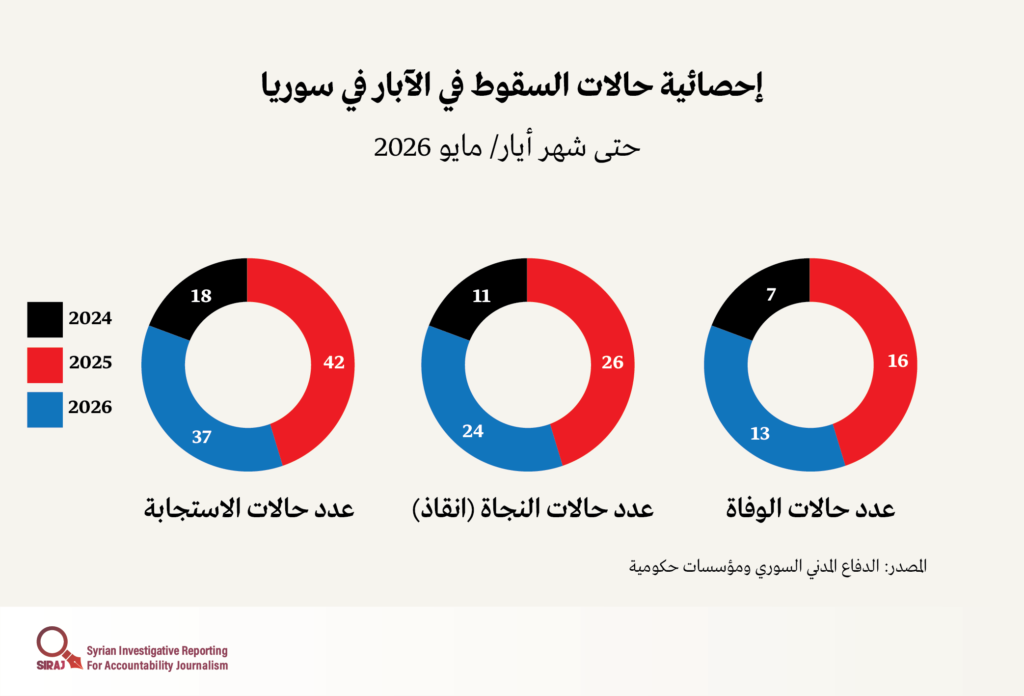
حوادث سقوط الأطفال في الجباب والآبار في المحافظات السورية: 61 حادثة موثقة بين كانون الثاني/يناير 2024 وأيار/مايو 2026
مصائد مفتوحة
مع تكرار الحوادث، يبرز سؤال يتجاوز لحظة السقوط نفسها: كيف تحولت مئات الآبار في شمال سوريا إلى فتحات موت مكشوفة؟ ومن يتحمل مسؤولية تركها بهذه الحالة لسنوات؟
في عدد من المناطق الزراعية في ريفي حماة وإدلب، ترتبط ظاهرة الآبار والجباب المكشوفة بمزيج من عمليات النهب وغياب إجراءات السلامة، رغم أن القانون رقم 31 لعام 2005، المعروف بقانون التشريع المائي، ينظم عمليات حفر واستثمار الآبار وآليات منح التراخيص المتعلقة بها، إلا أنه لا يتضمن نصوصاً واضحة تُلزم أصحاب الآبار، خصوصاً ضمن الملكيات الخاصة، بتأمين فوهاتها أو اتخاذ تدابير سلامة تمنع الحوادث والوصول غير الآمن إليها.
لكن خلف الحوادث المتكررة، تكشف شهادات حصل عليها فريق “سراج” عن عامل آخر ساهم في تفاقم الظاهرة خلال السنوات الماضية: نهب مئات الآبار وتحولها للجفاف وتركها كحفر عميقة وجِباب مفتوحة بعد سيطرة قوات النظام السوري السابق ومليشياته على مناطق واسعة من ريفي حماة وإدلب حيث تُركت مئات الآبار مفتوحة ومعطلة بعد نهب تجهيزاتها، لتتحول تدريجياً إلى مصدر خطر دائم يهدد الأطفال والسكان في المناطق الريفية.
وبحسب شهادات ووثائق جمعها فريق التحقيق، عمدت قوات النظام السوري السابق والمليشيات مرتبطة بها، بعد سيطرتها على مناطق واسعة من ريفي إدلب وحماة بين عامي 2019 و2020، إلى تفكيك وسرقة تجهيزات مئات الآبار الجوفية والسطحية في القرى الزراعية التي يعتمد سكانها على الزراعة والري كمصدر أساسي للعيش.
وحصلت “سراج” على 56 شهادة متطابقة لمزارعين عادوا إلى بلداتهم في ريف حماة الشمالي بعد سقوط نظام الأسد، قالوا فيها إنهم وجدوا آبارهم منهوبة بالكامل بعد سنوات النزوح القسري.
وخلال تلك الفترة، انتشرت قوات الفرقة الرابعة بقيادة ماهر الأسد، إلى جانب مليشيات “الدفاع الوطني” بقيادة سيمون الوكيل ونائل العبد الله، في مناطق واسعة من ريف حماة الشمالي والغربي، حيث بقيت متمركزة لسنوات داخل القرى والبلدات التي تعرض سكانها للنزوح القسري.
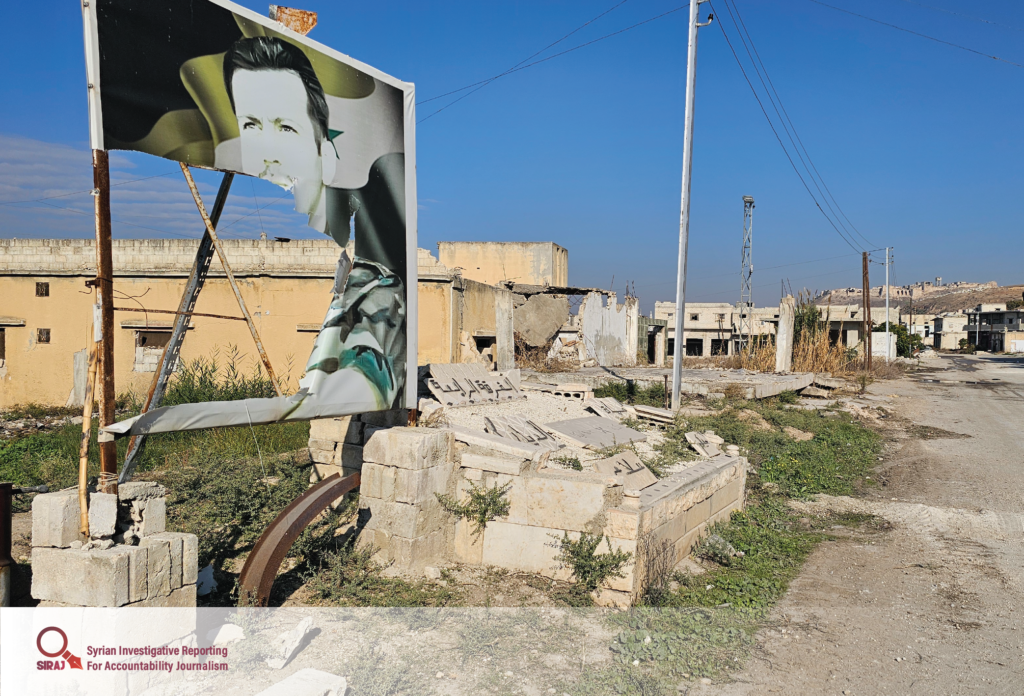
من أمام أكبر مقرات الفرقة الرابعة في مدينة قلعة المضيق غرب محافظة حماة 10 كانون الأول\ديسمبر 2024- المصدر – سراج
ووثق فريق التحقيق في ناحية قلعة المضيق وحدها سرقة 638 بئراً جوفية وسطحية، وتشمل الآبار الجوفية الآبار العميقة المحفورة للوصول إلى المياه الجوفية، بينما تُقصد بالآبار السطحية الحفر والآبار الضحلة المستخدمة لتجميع المياه القريبة من سطح الأرض أو مياه الري. وقد تعرضت هذه الآبار للتجريد من المضخات والكابلات الكهربائية والمولدات والتجهيزات المعدنية، قبل أن تُترك مفتوحة أو مدمرة وسط الحقول الزراعية.
وفي بلدة الهبيط بريف إدلب الجنوبي، التي تضم نحو 350 بئراً جوفياً بحسب رئيس الجمعية الزراعية في البلدة، عاد السكان بعد سنوات النزوح ليجدوا معظم الآبار جافة ومدمرة أو مفتوحة بعد نهب تجهيزاتها، في وقت كانت فيه البلدة مدمرة بنسبة وصلت إلى 95 بالمئة.
كما وثّق فريق “سراج” وجود مقرات لميليشيات إيرانية في محيط المنطقة، بينها مواقع في بلدة معرة حرمة القريبة، حيث حصل الفريق على صور لمقار ورايات ومواد دينية داخل تلك النقاط العسكرية السابقة.
من مصدر حياة إلى حفرة موت
في ريفي إدلب وحماة، ترك آلاف المزارعين أراضيهم وآبارهم خلال موجات التهجير، لتتحول كثير من هذه الآبار لاحقاً إلى جباب مهجورة و منهوبة.
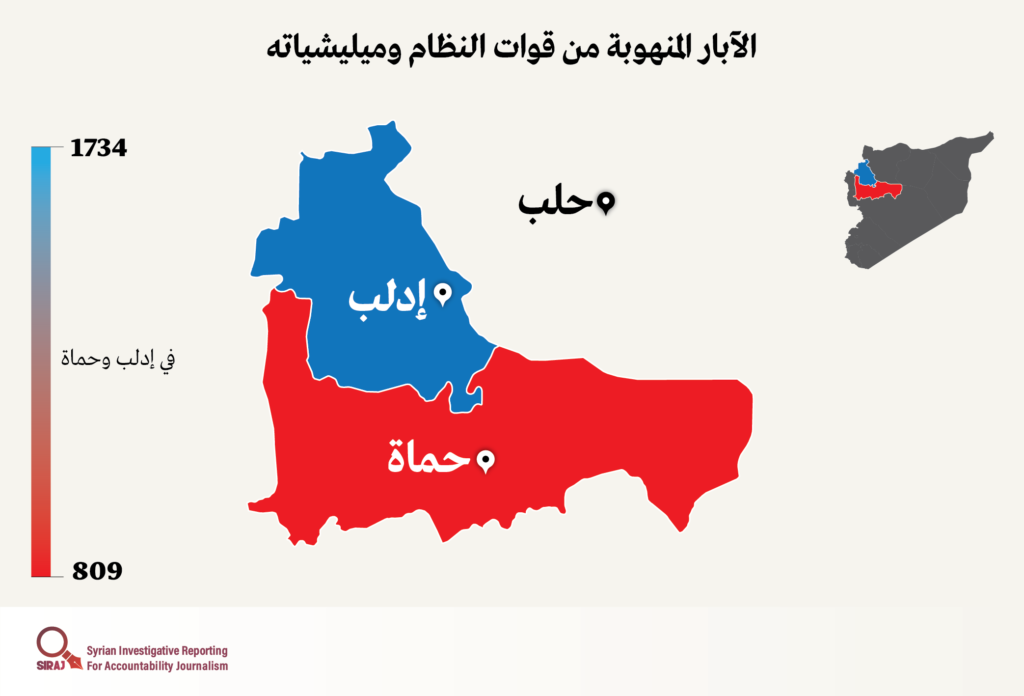
عدد الآبار التي نهبتها قوات النظام وتُركت مفتوحة في إدلب وحماة – سراج
عبدالسلام الأحمد، المنحدر من منطقة محردة شمال محافظة حماة، يروي واحدة من هذه القصص. فقد حفرت عائلته بئراً زراعية عام 2006 بعمق 289 متراً كانت تشكل المصدر الرئيسي لري أشجار الفستق الحلبي في أرضهم. لكن مع تقدم قوات النظام عام 2019 اضطرت العائلة إلى مغادرة المنطقة، تاركة خلفها البئر وتجهيزاتها الزراعية.
وعندما عاد الأحمد إلى أرضه بعد سقوط النظام، وجد أن البئر تعرضت لعمليات نهب واسعة. ويقول: “لم يبقَ شيء تقريباً، حتى بلاط الأرضيات سُرق”. ويضيف أنه حاول إعادة تشغيل البئر واشترى مضخة جديدة، إلا أنه اكتشف أن البئر طُمرت بالحجارة وقطع الحديد ومخلفات أخرى حتى عمق يقارب 100 متر، ما جعل إعادة تأهيلها أمراً بالغ الصعوبة والكلفة.
أمام هذا الواقع، اضطر الأحمد إلى ترك البئر القديمة والتوجه إلى حفر بئر جديدة لتأمين احتياجات أرضه الزراعية. غير أن البئر المعطلة بقيت مفتوحة، شأنها شأن عشرات وربما مئات الآبار الأخرى التي خرجت من الخدمة في المنطقة بعد تعرضها للتخريب أو النهب.
وتشير شهادات الأهالي والبيانات التي جمعها فريق التحقيق، إلى أن جزءاً من الآبار التي تشكل اليوم خطراً على الأطفال والسكان هي في الأصل آبار زراعية كانت تؤدي دوراً حيوياً قبل الحرب، لكنها تحولت مع مرور الوقت إلى حفر عميقة ومهجورة بعد فقدان أصحابها القدرة على تشغيلها أو إعادة تأهيلها. ومع غياب أعمال الردم أو التأمين، أصبحت هذه الآبار مصدر تهديد دائم في المناطق الزراعية والقرى المنتشرة في شمال سوريا.
ثواني بين الموت والحياة!
في بعض الحوادث، كانت النهاية مختلفة، ونجحت فرق الإنقاذ في انتزاع الأطفال من باطن الآبار قبل فوات الأوان.
في قرية تل أعور جنوب محافظة إدلب، كان ذوو الطفل عسكر الدياب (7 سنوات) يعملون خلال حزيران/يونيو 2024 على تجهيز بئر جوفية جديدة، على أمل تأمين مياه الشرب وري المزروعات في القرية الزراعية.
لكن البئر التي حُفرت بحثاً عن الحياة، كادت تتحول خلال لحظات إلى فخ قاتل لطفل العائلة.
في مساء الثامن من حزيران/يونيو 2024، وبينما كانت العائلة مجتمعة أمام المنزل، دوّى صراخ عسكر فجأة قبل أن يختفي داخل البئر المفتوحة.
يقول عم الطفل في شهادته لـ”سراج” إن اللحظات الأولى كانت أشبه بالصدمة، قبل أن تبدأ محاولات الاستغاثة وسط خوف من أن يكون الطفل قد انزلق إلى الأعماق.
وبحسب شهادات العائلة والدفاع المدني السوري، لعب عامل الوقت دوراً حاسماً في إنقاذ الطفل، إذ كان مركز الدفاع المدني قريباً من القرية، ولم تمضِ سوى دقائق حتى وصلت فرق البحث والإنقاذ إلى الموقع.
وأوضح الدفاع المدني أن الطفل عسكر لم يكن قد انزلق إلى القاع، بل علق على عمق لا يتجاوز خمسة أمتار، بعدما تشبث بأكبال وحبال مضخة المياه الممتدة داخل البئر، ما منحه فرصة نادرة للبقاء على قيد الحياة.
لكن الوصول إليه لم يكن سهلاً. فقد استخدمت فرق الإنقاذ تقنيات الحفر العمودي والأفقي، إلى جانب معدات الإنقاذ بالحبال، في عملية معقدة استمرت نحو أربع ساعات، وسط مخاوف من انهيار التربة أو سقوط الطفل إلى مستويات أعمق داخل البئر.
في كثير من الحالات، لا يكون الفارق بين الحياة والموت سوى بضعة أمتار، أو دقائق قليلة تفصل بين وصول فرق الإنقاذ وتأخرها.
وفي النهاية، تمكنت الفرق من الوصول إلى عسكر وإخراجه حياً، قبل نقله إلى مشفى الرحمة في مدينة دركوش، حيث وثق فريق التحقيق وصوله إلى قسم الإسعاف وخضوعه لعمليات الإنعاش والرعاية الطبية.
مشاهد من عملية إنقاذ الطفل عسكر دياب بعد سقوطه في بئر ارتوازي بقرية تل أعور غربي إدلب، مساء السبت 8 حزيران. مصدر الفيديو الدفاع المدني السوري
نهايات مختلفة للحادثة نفسها
جر آذار/مارس 2026، نفّذت فرق الدفاع المدني السوري التابعة لوزارة الطوارئ وإدارة الكوارث عملية انتشال طفلة، سقطت داخل بئر في شمال محافظة حلب، مستخدمةً منظومات الحبال والكاميرات الاختصاصية لمعاينة العمق ومحاولة الوصول إليها.
غير أن الطفلة كانت قد فارقت الحياة عند إخراجها، قبل نقلها إلى مشفى مدينة الباب.
وبعد أيام قليلة، تكرر المشهد في ريف حلب الشمالي، لكن بنهاية مختلفة.
في بلدة شمارخ شمال محافظة حلب، سقط طفل يبلغ من العمر ثلاث سنوات داخل بئر بعمق 18 متراً، لتبدأ فرق الدفاع المدني عملية إنقاذ دقيقة اعتمدت على الحبال ومعدات الإنقاذ العمودي. وبمساعدة أحد المدنيين الذي نزل إلى داخل البئر، تمكنت الفرق من تثبيت الطفل وسحبه إلى الخارج، قبل تقديم الإسعافات الأولية له ونقله إلى مستشفى في مدينة إعزاز لتلقي العلاج.
إنقاذ طفل يبلغ من العمر ثلاث سنوات بعد سقوطه داخل بئر بعمق 18 متراً في بلدة شمارخ شمال حلب. الدفاع المدني
وتكشف هذه الحوادث المتكررة طبيعة التحديات التي تواجهها فرق الإنقاذ داخل الآبار الضيقة والعميقة، حيث تتحول كل دقيقة بحسب شهادات متقاطعة لمنقذين إلى عامل حاسم في فرص النجاة.
وبحسب الشهادات، فعمق البئر، وضيق قطرها، وطبيعة التربة، ووجود المياه أو الصخور والانهيارات الداخلية، جميعها عوامل تجعل عمليات الإنقاذ شديدة التعقيد، خصوصاً في ظل محدودية المعدات التقنية والإمكانات المتاحة للتعامل مع هذا النوع من الحوادث.
ويكشف رئيس قسم البحث والإنقاذ في الدفاع المدني التابع لوزارة الطوارئ وإدارة الكوارث، إبراهيم الحسن، أن التحدي الأكبر الذي تواجهه فرق الإنقاذ يبدأ من طبيعة الآبار نفسها، إذ إن كثيراً منها لا يسمح بدخول المنقذين بسبب ضيق أقطارها.
ويقول: “أكثر الصعوبات التي تواجه فرق الإنقاذ هي ضيق أجسام الآبار، بحيث تكون فتحاتها بقطر ضيق لا يسمح بدخول المنقذ إلى المكان الذي حُشرت فيه الضحية، فنحتاج إلى إجراءات أخرى مثل الإنقاذ بالحبال وتقنيات خاصة”.
ويشير إلى أن غياب التهوية داخل الآبار يشكل خطراً إضافياً على الضحايا.
ويضيف: “من الصعوبات أيضاً انعدام التهوية داخل البئر، ما يؤدي إلى خطر اختناق الضحية، إضافة إلى الأعماق الكبيرة، حيث إن سقوط الطفل لأعماق تزيد عن خمسين متراً يجعل موضوع الإنقاذ غاية في الصعوبة”.
وبينما تنتهي بعض الحوادث بعمليات إنقاذ معقدة وسباقات محمومة مع الوقت، تنتهي أخرى بمشاهد أكثر قسوة: أجساد عالقة في الأعماق، وعائلات تعود من النزوح لتفقد أبناءها خلال لحظات، وقرى كاملة تعيش على خوف يومي من حفرة قد تكون على بعد خطوات من المنزل.
يوجه الحسن رسالة تحذيرية للأهالي والسكان في المناطق الزراعية، مؤكداً أن الوقاية تبقى العامل الأهم لمنع تكرار هذه المآسي.
ويقول “التوصيات الأساسية هي الانتباه للأطفال في الأماكن التي تكثر فيها الآبار، سواء كانت قيد الحفر أو مفتوحة أو مهجورة، والعمل على إغلاقها بجهود بسيطة متوفرة”.
مقابلة ابراهيم الحسن رئيس قسم البحث والإنقاذ في الدفاع المدني في وزارة الطوارئ وإدارة الكوارث – نيسان/أبريل 2026
تكشف شهادات الأهالي والمنقذين والبيانات التي حصل عليها فريق “سراج” أن هذه الحوادث لم تعد مجرد وقائع فردية، بل نتيجة تراكم سنوات من الحرب وغياب الرقابة، إضافة إلى ترك مئات الآبار والجباب مفتوحة أو مدمرة بعد نهب تجهيزاتها خلال سنوات سيطرة قوات النظام السوري السابق وميليشياته على مناطق واسعة من شمال سوريا.
ورغم الجهود التي تبذلها فرق الدفاع المدني في ظروف تقنية وإمكانات محدودة، يؤكد المنقذون أن كثيراً من هذه المآسي كان يمكن تفاديها بإجراءات بسيطة: غطاء محكم، أو صبة إسمنتية، أو حتى حجر كبير فوق فوهة بئر مهجورة.
يؤكد الخبير والباحث الجيولوجي، ثابت الكسحة، أن الحد من حوادث السقوط لا يتطلب حلولاً معقدة، بل الالتزام بمجموعة من إجراءات السلامة الأساسية عند الانتهاء من حفر الآبار أو عند خروجها من الخدمة. ويشير إلى أن من أهم هذه الإجراءات إغلاق فوهة البئر بغطاء حديدي مُثبت بإحكام، سواء كانت البئر مستخدمة أو مهجورة، إضافة إلى تركيب قميص معدني يبرز فوق سطح الأرض بما لا يقل عن 50 سنتيمتراً حول الفوهة، بما يقلل من احتمالات السقوط العرضي.
ويضيف الكسحة، أن قطر البئر يلعب دوراً مهماً في فرص الإنقاذ؛ فالآبار التي يزيد قطرها على 35 سنتيمتراً تتيح هامشاً أكبر لعمل فرق الإنقاذ، في حين تعيق الأقطار الأصغر عمليات الوصول إلى الضحايا وترفع مستوى المخاطر، خصوصاً عندما يكون العالق طفلاً.
وبينما توثق السجلات مزيداً من الحوادث يوماً بعد آخر، يواصل أطفال آخرون اللعب بالقرب من آبار مفتوحة، دون أن يعرفوا أن خطوة واحدة قد تكون كافية لتهديد حياتهم.
التنسيق الإبداعي والحلول البصرية: رضوان عواد